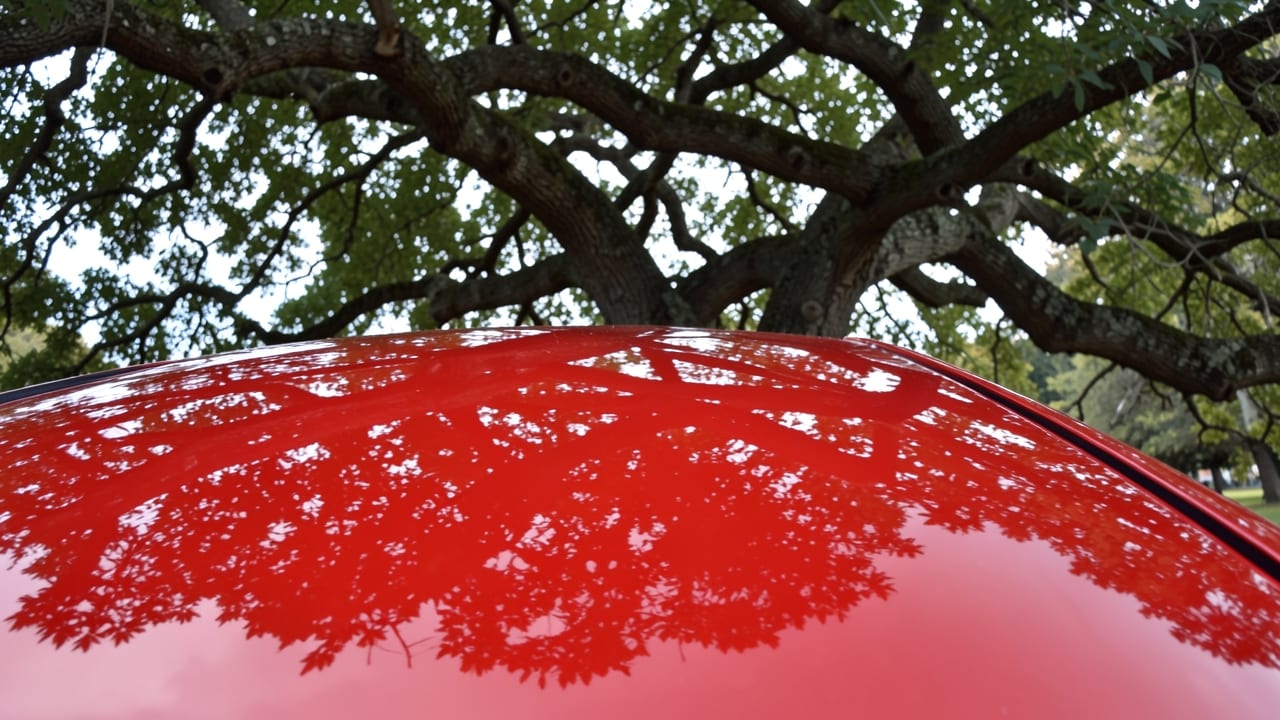
Tree Sap Removal
Professional removal of tree sap from vehicle surfaces using safe, paint-friendly methods.
Tree sap removal in Richmond, VA, involves carefully restoring your vehicle’s paint, glass, and trim by breaking down sticky sap residue without damaging the finish. Specialized cleaners and gentle solvents are used to dissolve the sap, followed by thorough rinsing and protective treatments to maintain the surface.
This service helps preserve your car’s appearance and prevents long-term damage from embedded contaminants.
We also handle Wheel & Brake Caliper Ceramic Coating and Interior Ceramic Protection for Richmond vehicles.
Why tree sap damages your vehicle
Tree sap is more than just an unsightly stain—it can bond to your vehicle’s paint, glass, and trim over time, leaving behind a dull, sticky residue that’s difficult to remove with regular washing.
Unlike loose dirt, sap contains natural adhesives that penetrate the clear coat, creating a rough texture that traps more grime and weakens the protective layer. If left untreated, it can lead to premature wear, swirl marks, and even paint oxidation.
Richmond’s mix of urban and wooded areas means sap from trees like maples, pines, and oaks is a common issue, especially during spring and fall. Parking under trees or near green spaces increases exposure, and even a single sap spot can spread if not addressed promptly.
Identifying the contaminant—whether it’s sap, tar, or brake dust—is the first step in choosing the right treatment to avoid further damage.
Signs Your Vehicle Needs Sap Removal
- Sticky residue that feels rough or gritty when touched, even after washing.
- Dark spots or shadows that reappear after wiping, indicating embedded sap.
- A dull or hazy finish on painted surfaces, especially near edges or under trees.
- Visible streaks or a ‘frosted glass’ texture on windows or trim from dried sap.
- Contaminants that resist soap-and-water washing, often appearing as tiny specks on lighter paint.
How sap removal protects your finish
Removing tree sap isn’t just about restoring appearance—it’s about preventing long-term damage. Sap can strip away wax or sealant layers, leaving your paint vulnerable to UV rays, moisture, and minor scratches.
A proper removal process includes targeted chemical treatments, mechanical lifting with clay bars, and restoring protective coatings to ensure the surface remains smooth and resilient. Skipping these steps can lead to recurring issues or even permanent paint discoloration.
In Richmond’s climate, where humidity and temperature fluctuations are common, sap removal also helps maintain your vehicle’s resale value. Buyers notice details like a clean, well-protected finish, and embedded contaminants can signal poor maintenance.
Addressing sap promptly—within a day or two of exposure—makes the process far easier and more effective than waiting for it to bond further.
| Contaminant Type | Common Signs | Why It Needs Special Treatment |
|---|---|---|
| Tree Sap | Sticky, amber-colored residue; rough texture when touched | Contains natural adhesives that bond to paint and glass |
| Brake Dust (Iron Particles) | Orange or rust-colored specks, often near wheels | Embeds into clear coat, causing swirls and oxidation |
| Tar/Adhesive | Black, tar-like spots that smear when wiped | Chemically resistant; requires dedicated solvents to dissolve |
| Bird Droppings | White, chalky deposits that etch paint if left too long | Acidic; can permanently dull or discolor paint |
What affects sap removal cost and timing
The cost of tree sap removal depends on the extent of the contamination, the vehicle’s surface condition, and the protective treatments applied afterward.
For example, a single sap spot on a well-maintained paint job may require minimal treatment, while extensive buildup or embedded contaminants in older paint could need additional steps like clay bar work or full decontamination.
Timing also plays a role—addressing sap within 48 hours of exposure is easier and less costly than waiting weeks for it to harden.
Location matters in Richmond, too. Vehicles parked near heavily wooded areas or under specific tree types (like pine or maple) may need more frequent treatments.
A full protective coating or sealant applied after sap removal can extend the time between treatments by making it harder for new contaminants to bond as deeply. However, this is an added step, not a replacement for regular maintenance.
How tree sap removal works
This process targets sap and contaminants without harming your vehicle’s finish.
- 1Contaminant Identification
The sap or contaminant is inspected to determine its type—tree sap, tar, brake dust, or bird droppings—since each requires a specific chemical treatment. This step ensures the right product is used to avoid spreading or embedding the contaminant further.
- 2Targeted Chemical Treatment
A specialized cleaner formulated for the identified contaminant is applied and allowed to dwell on the affected area. For sap, this might be a gentle solvent that breaks down the adhesive properties without stripping the paint’s protective layers.
- 3Mechanical Lifting (If Needed)
If chemical treatment alone doesn’t remove the contaminant, a clay bar or mitt is used to gently lift embedded particles. A lubricant is applied throughout to prevent scratching the paint during this step.
- 4Rinse and Inspection
The treated area is rinsed thoroughly to remove all product residue, then inspected under direct light to confirm the contaminant is fully gone. Some contaminants may appear removed indoors but reappear outdoors, so this step ensures completeness.
- 5Protective Follow-Up
A spray sealant or coating topper is applied to restore the protective layer stripped during the removal process. This helps maintain the paint’s durability and reduces the risk of future contamination bonding as easily.
Frequently asked questions
Can I remove tree sap myself with household cleaners?
Household cleaners like dish soap or vinegar may temporarily soften sap, but they often lack the targeted chemistry needed to fully dissolve it without risking paint damage. Specialized automotive cleaners are formulated to break down sap adhesives safely, especially on delicate surfaces like clear coat or glass.
Why does sap keep coming back in the same spot?
If sap reappears in the same spot, it’s likely because residue remains embedded in the paint or trim. A thorough treatment requires not just surface cleaning but also addressing the underlying contamination. Parking away from the offending tree can also reduce recurrence.
Will sap removal make my paint look brand new?
Sap removal restores the paint’s smoothness and removes embedded contaminants, but it won’t reverse deeper issues like oxidation or swirl marks from previous damage. The process is intended to improve appearance and protect the finish moving forward.
How long should I wait before washing my car after sap removal?
After sap removal, wait at least 24 hours before washing to allow any applied sealant or treatment to fully cure. Using soaps or waxes too soon can interfere with the protective layer’s bonding and reduce its effectiveness.
Where Richmond sits, and what the Census lists nearby
Richmond sits in Virginia, and the closest places listed in the U.S. Census Gazetteer are Manchester (4.7 miles southwest), Bon Air (5.3 miles west), Montrose (5.6 miles east), Lakeside (5.6 miles north). Within 25 miles of Richmond the same source lists 36 distinct incorporated places and census-designated places.
Those figures matter for tree sap removal because they are straight-line distances between Census coordinate points: road mileage between Richmond and Manchester runs longer than the 4.7 miles shown, which is why quotes for the same job differ between towns that look close together on a map.
Source: U.S. Census Bureau Gazetteer.
See Dumbarton, VA for more, or check out our complete Richmond service list before booking for our complete lineup.
Ready to get started?
Talk to a local ceramic coating pro in Richmond — get a written quote.
Other Ceramic Coating Services in Richmond
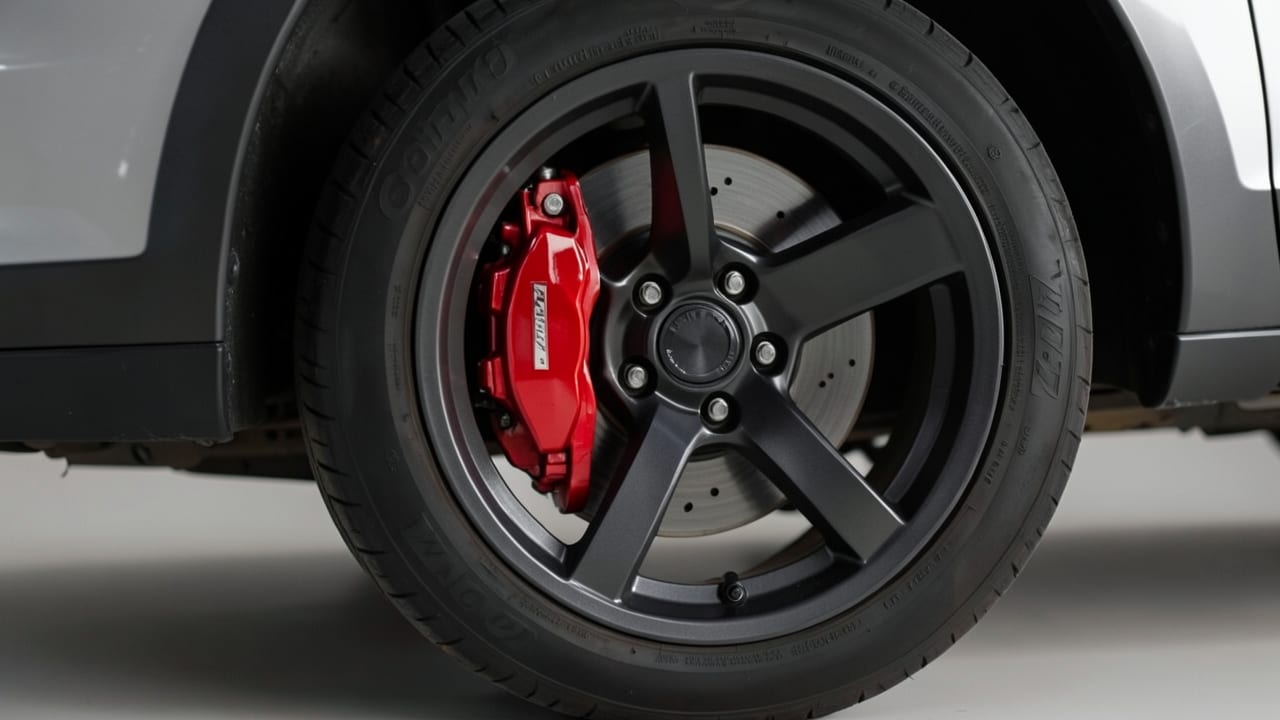
Wheel & Brake Caliper Ceramic Coating in Richmond, VA
Dedicated ceramic coating for wheels and brake calipers in Richmond, VA — stops brake dust and corrosive grime from bonding to the finish.
Learn More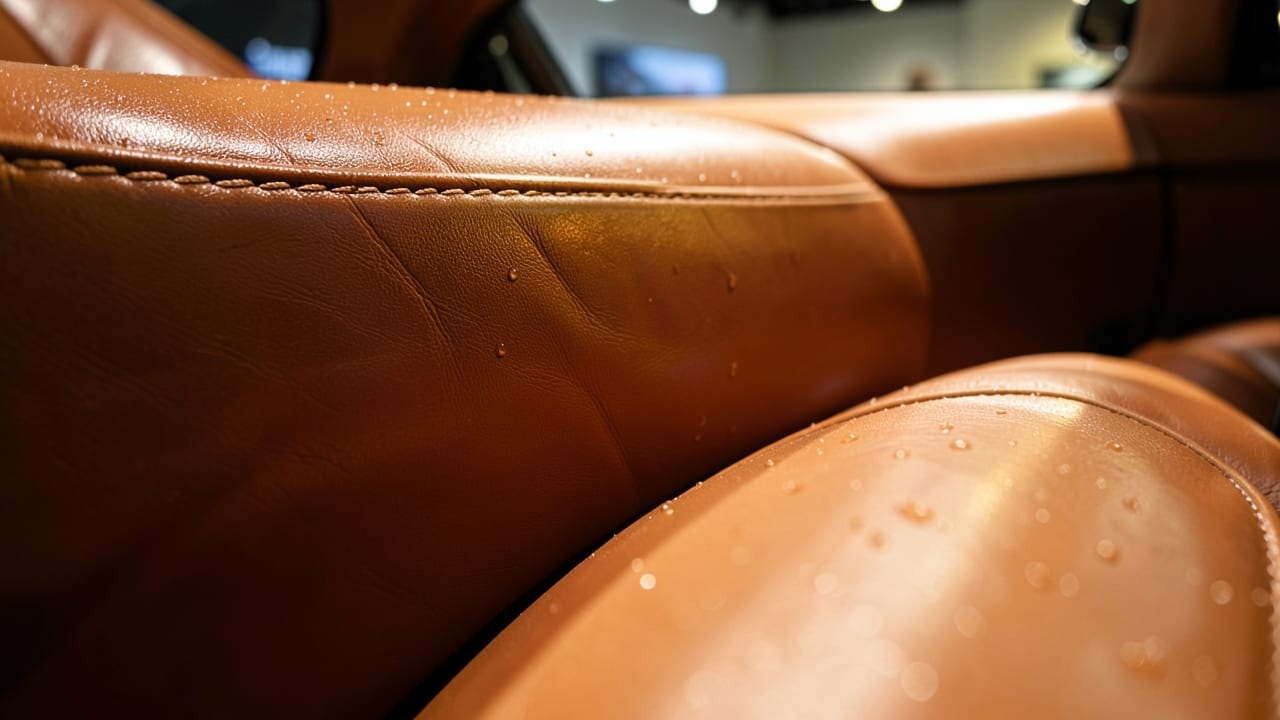
Interior Ceramic Protection in Richmond, VA
Interior fabric, leather, and trim ceramic protection in Richmond, VA — guards against spills, UV fading, and daily wear.
Learn More
Headlight Restoration & Coating in Richmond, VA
Headlight restoration and UV-protective coating in Richmond, VA — restores clarity and nighttime visibility without replacing the assembly.
Learn More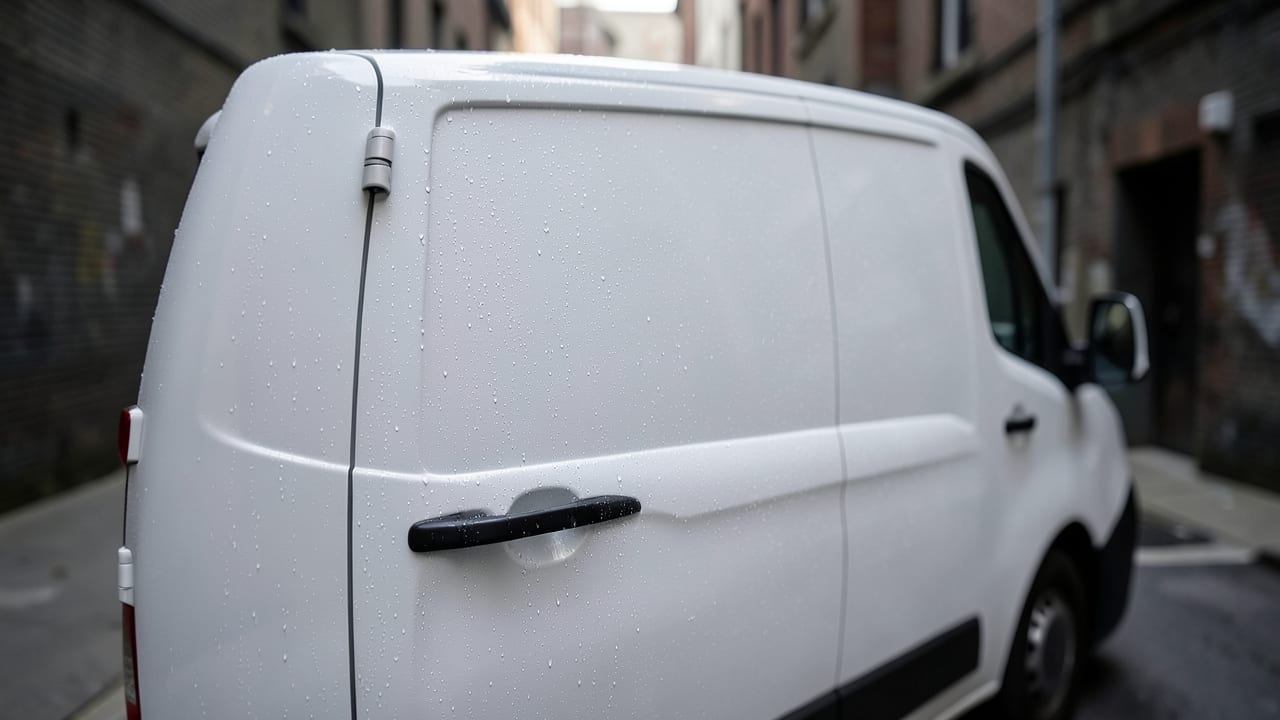
Fleet & Commercial Vehicle Coating in Richmond, VA
Ceramic coating programs for fleets and commercial vehicles in Richmond, VA — faster washing, longer-lasting branded wraps, and protected resale value.
Learn More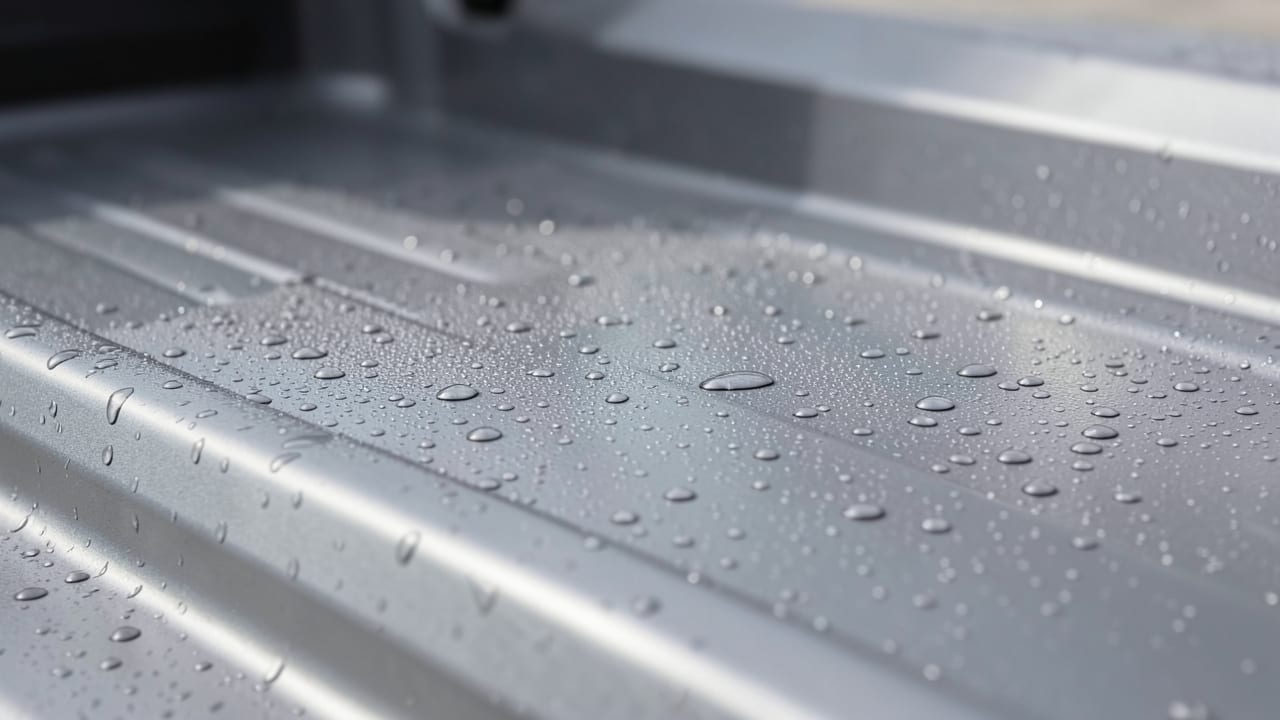
Graphene Coating in Richmond, VA
Graphene coating in Richmond, VA — a premium ceramic alternative with better heat rejection and hydrophobic durability.
Learn More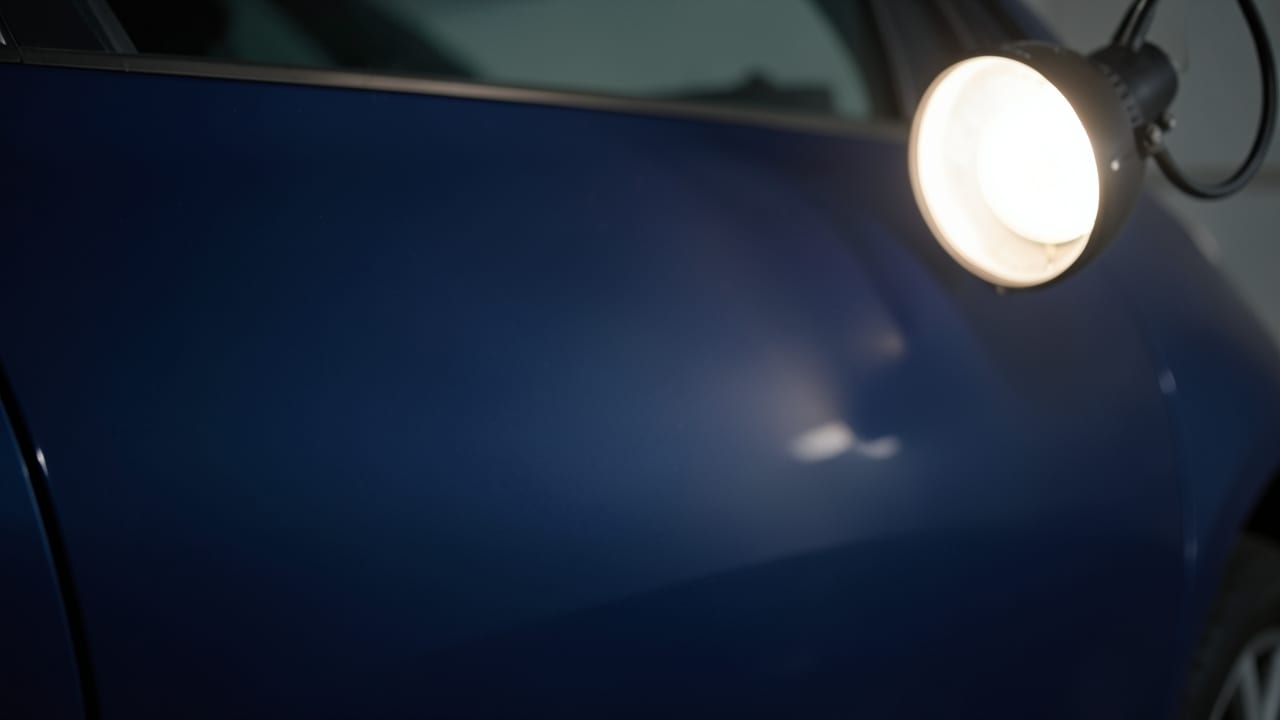
Clay Bar Paint Decontamination in Richmond, VA
Clay bar paint decontamination in Richmond, VA removes bonded surface contaminants a wash alone can't touch, before coating or correction.
Learn MoreCommon Questions About Ceramic Coating in Richmond
Everything you need to know about ceramic coating services in Richmond
How much does Tree Sap Removal typically cost in Richmond, VA?
What local driving and climate factors matter most when choosing a coating tier in Richmond, VA?
Will a ceramic coating stop rock chips or scratches?
What's the actual difference between wax, paint sealant, and ceramic coating?
Can ceramic coating be applied at home instead of by a detailing shop?
How long does a ceramic coating actually last in real-world use?
Need Ceramic Coating in Richmond?
Get a written quote from our Richmond crew.
⏰ We answer your call • Serving all of Richmond and surrounding areas