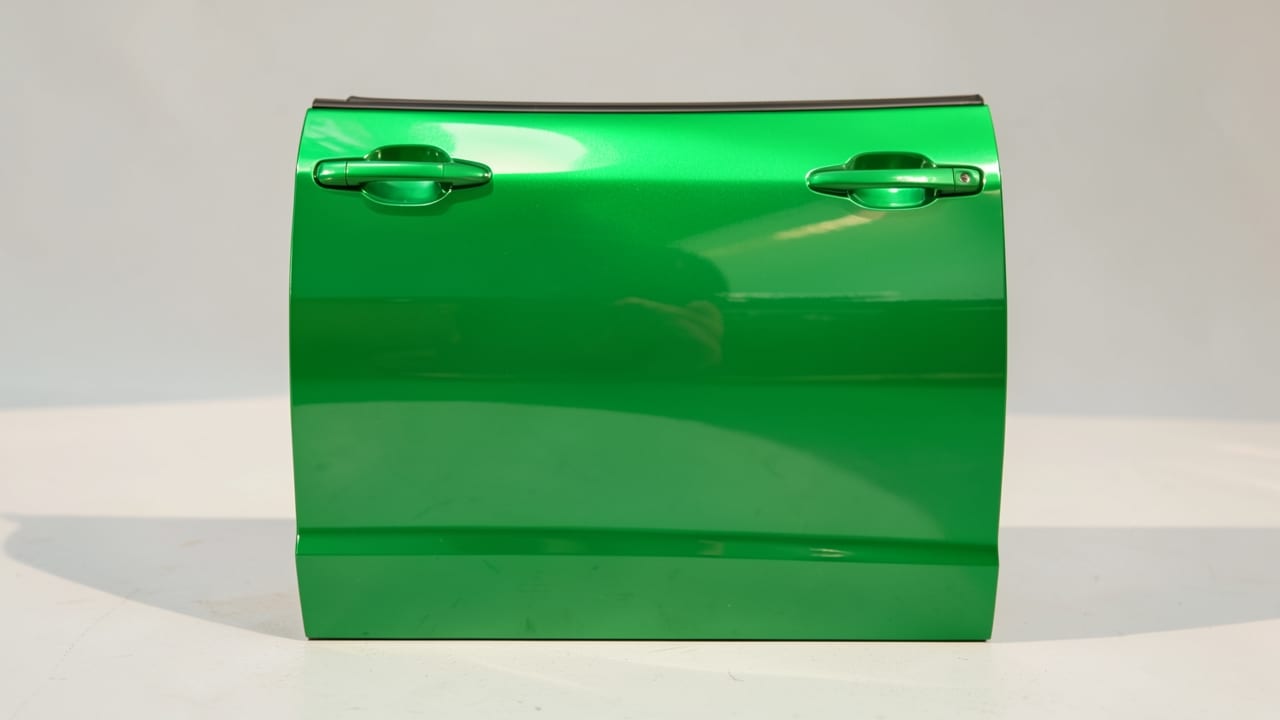
Spring Paint Rejuvenation
Ceramic coating and paint correction to restore and protect vehicle surfaces.
Spring Paint Rejuvenation in Richmond, VA, restores your vehicle’s finish using deep cleaning, paint correction, and a ceramic coating. This process removes swirls, scratches, and oxidation, leaving a glossy, protected surface that resists UV damage and contaminants, ideal for Richmond’s seasonal weather shifts.
What to watch for
Ceramic coatings don’t fail suddenly—they fade gradually. Early signs include water beading less tightly or spreading wider across panels instead of rolling off. A duller reflection under direct light or a loss of the slick feel when touched by hand are also indicators the coating’s protective layer is thinning.
We also handle Bug Splatter Removal and Oxidation Removal for Richmond vehicles.
If bug splatter or road grime now requires scrubbing instead of rinsing off with water, it’s a sign the coating’s self-cleaning slickness is fading. These changes are subtle at first but become more noticeable over time if maintenance isn’t adjusted.
Signs Your Coating Needs Attention
- Water beads spread wider or sheet across panels instead of rolling off cleanly.
- Panels reflect less crisply under direct light, with a slightly duller appearance.
- Bug splatter or grime no longer rinses off with water and requires scrubbing.
- The paint feels less slick to the touch, more like ordinary paint than a coated finish.
Maintenance that matters
Consistent maintenance keeps a ceramic coating performing well. Washing every 2–3 weeks with a pH-neutral soap and the two-bucket method prevents grit from redepositing and causing micro-scratches. Drying with a clean microfiber towel avoids mineral spotting from water evaporation.
Avoid automatic brush washes, as they drag grit across the coated surface. Instead, opt for touchless or hand washing. Every few months, a light clay or chemical decontamination removes bonded contaminants like rail dust, keeping the coating’s surface smooth and effective.
| Maintenance Step | Why It Matters | Frequency |
|---|---|---|
| Two-bucket wash with pH-neutral soap | Prevents grit redeposition that causes micro-scratches | Every 2–3 weeks |
| Drying with clean microfiber towel | Avoids mineral spotting from water evaporation | After every wash |
| Light clay or chemical decontamination | Removes bonded contaminants like rail dust | Every 3–6 months |
| Avoid automatic brush washes | Prevents grit from dragging across the coated surface | Always |
What affects pricing and timing
The prep work before applying a ceramic coating—such as deep cleaning, paint correction, and decontamination—significantly impacts both cost and duration. Skipping steps like iron removal or clay bar treatment can lead to a coating that bonds poorly and wears faster, often requiring reapplication sooner.
The type of coating also plays a role in pricing. Single-layer coatings are typically more affordable but may offer shorter protection, while multi-layer or advanced formulations like graphene-based coatings last longer but cost more upfront. The vehicle’s size and condition also influence the total price.
How spring paint rejuvenation works
- 1Deep Cleaning and Decontamination
The vehicle undergoes a thorough wash using a pH-neutral soap, followed by clay bar treatment to remove bonded contaminants like industrial fallout or rail dust. This step ensures the surface is smooth and free of embedded particles before correction.
- 2Paint Correction
Swirls, scratches, and oxidation are addressed using polishing compounds. This step restores a smooth, glass-like finish, preparing the surface for the ceramic coating to adhere properly.
- 3Ceramic Coating Application
A high-quality ceramic coating is applied in thin, even layers. The product is spread carefully to ensure full coverage, then allowed to cure fully—typically 24–48 hours—before the vehicle is driven.
- 4Final Inspection and Protection
After curing, the coating is inspected for evenness and gloss. A spray sealant or booster may be applied periodically to refresh the surface slickness and water-beading properties between full rejuvenation services.
Frequently asked questions
Will a ceramic coating stop rock chips or deep scratches?
No, ceramic coatings add surface hardness to resist light swirling and UV damage, but they don’t provide impact protection. Rock chips or deep scratches can still occur, though the coating may make them less noticeable by enhancing the surrounding finish.
How long does a ceramic coating last?
The lifespan of a ceramic coating depends on maintenance, climate, and the quality of the product used. With proper care—regular washing, avoiding harsh chemicals, and periodic decontamination—it can last 2–5 years or longer before needing reapplication.
Can I wash my coated vehicle at a car wash?
Automatic brush washes should be avoided, as they can introduce grit that scratches the coating. Opt for touchless or hand washing with a pH-neutral soap and clean microfiber towels to preserve the finish.
What products should I avoid on my coated vehicle?
Avoid high-alkaline or wax-stripping car soaps, as they can break down the coating’s surface chemistry over time. Stick to pH-neutral products formulated specifically for coated paint to maintain water beading and gloss.
Where Richmond sits, and what the Census lists nearby
Richmond sits in Virginia, and the closest places listed in the U.S. Census Gazetteer are Manchester (4.7 miles southwest), Bon Air (5.3 miles west), Montrose (5.6 miles east), Lakeside (5.6 miles north). Within 25 miles of Richmond the same source lists 36 distinct incorporated places and census-designated places.
Those figures matter for spring paint rejuvenation because they are straight-line distances between Census coordinate points: road mileage between Richmond and Manchester runs longer than the 4.7 miles shown, which is why quotes for the same job differ between towns that look close together on a map.
Source: U.S. Census Bureau Gazetteer.
See Bensley, VA for more, or check out the full ceramic coating lineup we run in Richmond on a single page for our complete lineup.
Ready to get started?
Talk to a local ceramic coating pro in Richmond — get a written quote.
Other Ceramic Coating Services in Richmond
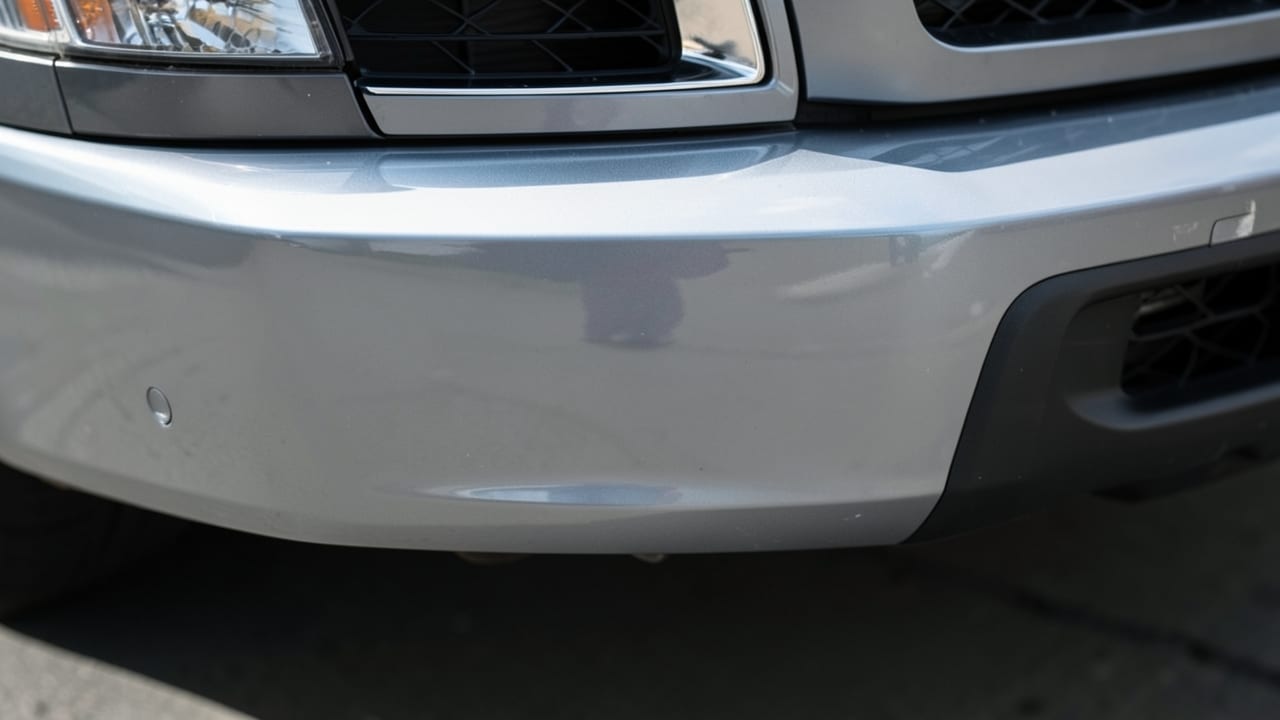
Bug Splatter Removal in Richmond, VA
Professional removal of insect residue from vehicle paint without damaging the ceramic coating or finish.
Learn More
Oxidation Removal in Richmond, VA
Professional removal of oxidation from vehicle paint to restore clarity and prepare surfaces for ceramic coating.
Learn More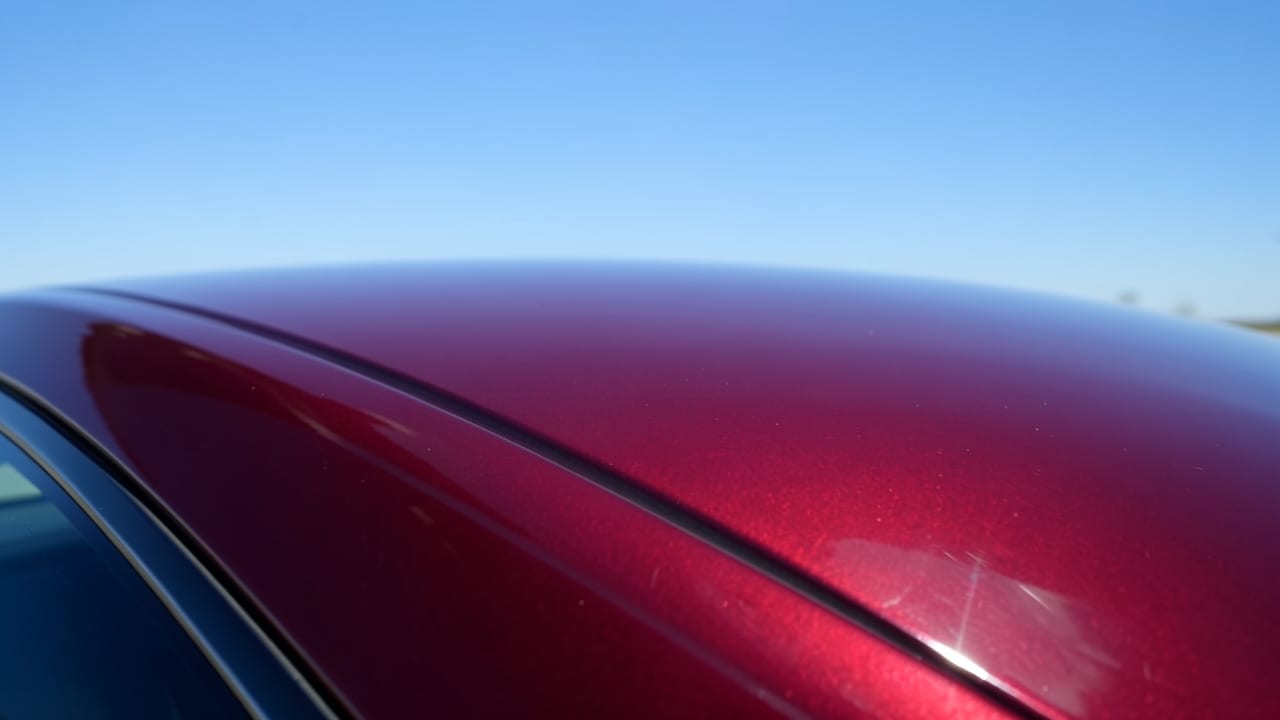
Mid-Summer UV Protection Top-Up in Richmond, VA
Ceramic coating reapplication to restore UV protection and gloss on vehicle paint.
Learn More
Fall Paint Prep for Winter in Richmond, VA
Ceramic coating and paint protection applied to homes before winter to prevent damage.
Learn More
Pre-Event Showroom Gloss Enhancement in Richmond, VA
Professional ceramic coating application to enhance vehicle paint gloss before events.
Learn More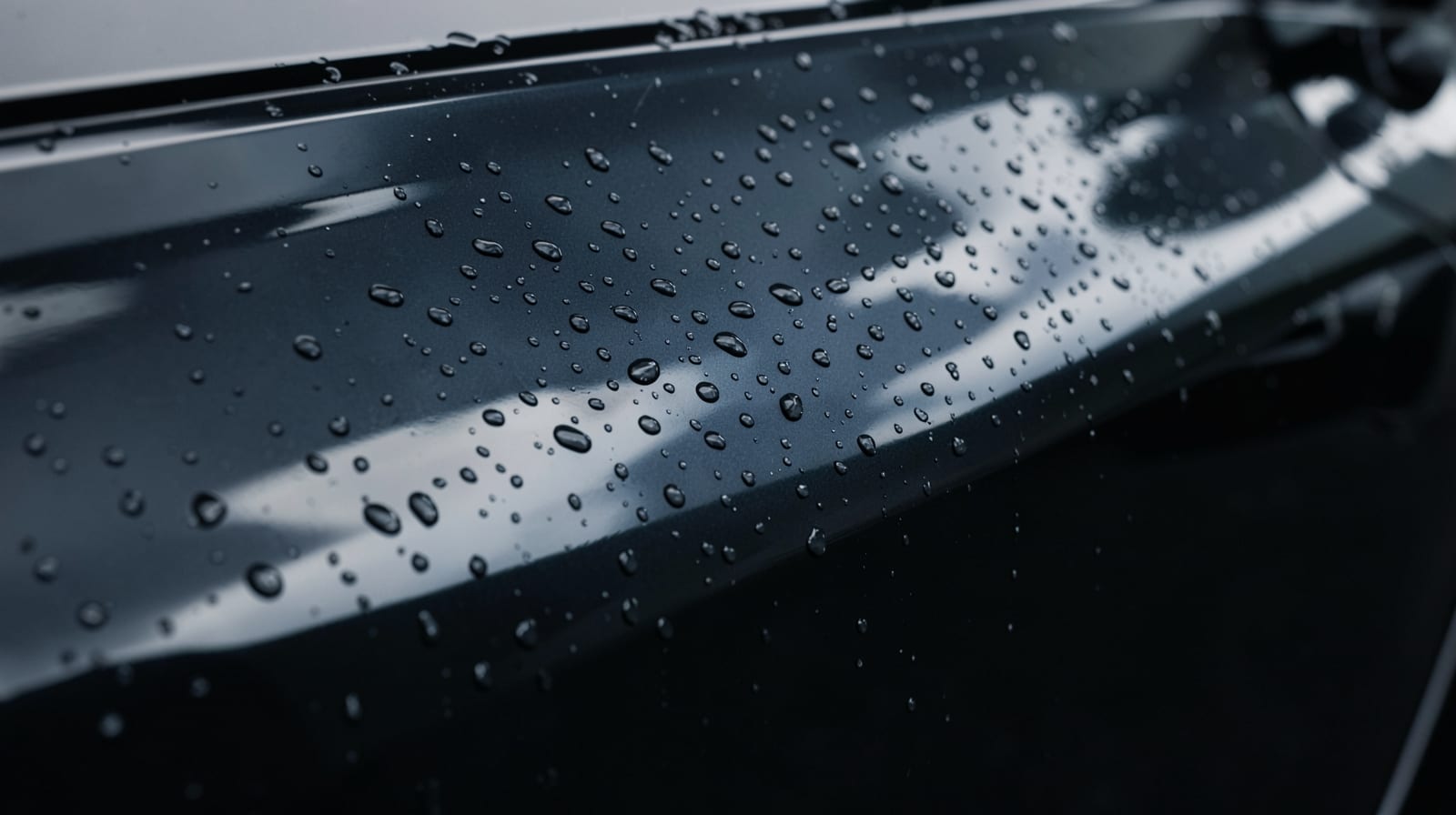
Full-Vehicle Ceramic Coating in Richmond, VA
Professional nano-ceramic coating for vehicles in Richmond, VA — a hard, semi-permanent SiO2 layer for deep gloss, strong hydrophobic protection, and easier washing.
Learn MoreCommon Questions About Ceramic Coating in Richmond
Everything you need to know about ceramic coating services in Richmond
How much does Spring Paint Rejuvenation typically cost in Richmond, VA?
What local driving and climate factors matter most when choosing a coating tier in Richmond, VA?
What does proper paint prep before a ceramic coating actually involve?
How should a coated vehicle be washed after the coating is applied?
Will a ceramic coating stop rock chips or scratches?
What's the actual difference between wax, paint sealant, and ceramic coating?
Need Ceramic Coating in Richmond?
Get a written quote from our Richmond crew.
⏰ We answer your call • Serving all of Richmond and surrounding areas